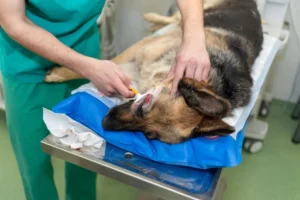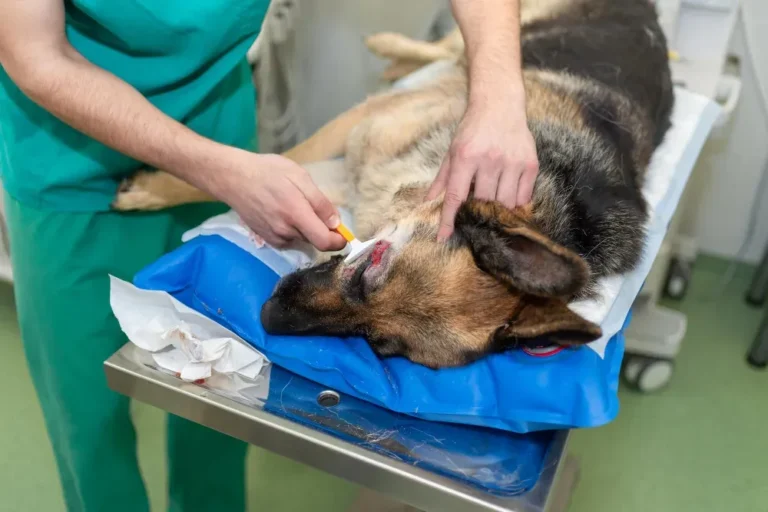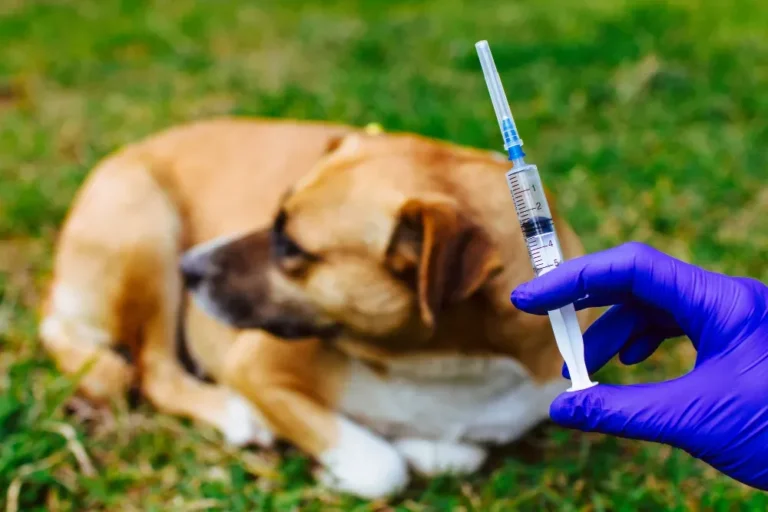
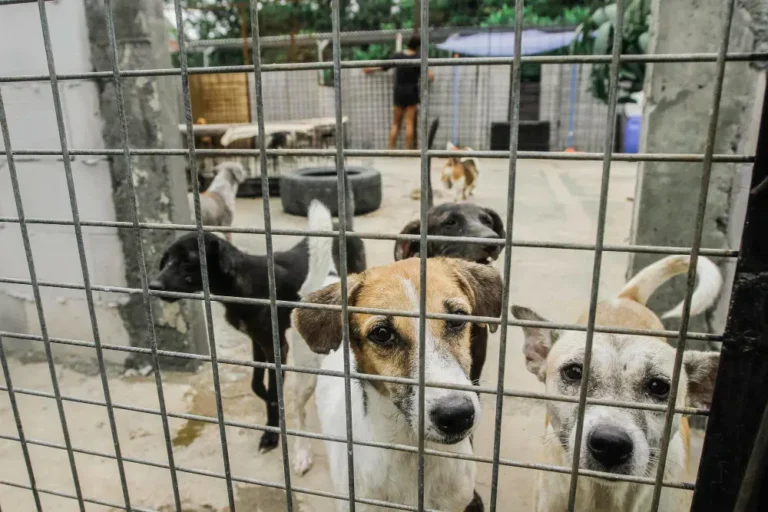
Animal shelters serve as a lifeline for abandoned, injured, and rescued dogs. They provide safety, medical care, rehabilitation, and the opportunity for adoption. However, many shelters operate under significant resource constraints, making it difficult to maintain infrastructure, expand capacity, and provide consistent care for every animal.
This Bark for Change petition was created with a clear objective: encourage the local municipal authority to allocate dedicated funding for upgrading a government-supported dog shelter and establish minimum welfare standards for all publicly managed shelters.
Rather than highlighting problems alone, the campaign focused on presenting practical recommendations that would improve long-term outcomes for rescued dogs while helping shelter staff work more effectively.
The Situation
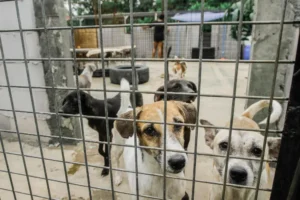
Volunteers visiting the shelter noticed that although staff worked tirelessly to care for hundreds of dogs, limited infrastructure made their work increasingly challenging.
Some of the most common issues included:
- Overcrowded kennels during rescue emergencies.
- Limited isolation areas for injured or infectious animals.
- Insufficient shaded outdoor exercise spaces.
- Aging drainage and sanitation facilities.
- Growing maintenance requirements due to increasing intake.
The petition recognized that these challenges were not the result of a lack of commitment but rather a need for additional support and long-term planning.
A Practical Proposal
Instead of asking for unrealistic changes, the campaign proposed achievable improvements that could significantly enhance shelter operations.
- Renovate existing kennel infrastructure.
- Create separate recovery areas for medical cases.
- Improve drainage and sanitation systems.
- Increase shaded exercise spaces.
- Install additional clean drinking water stations.
- Develop transparent annual maintenance plans.
- Encourage volunteer participation through structured programs.
The recommendations were designed to strengthen existing shelter operations rather than replace them.
Citizens Quickly Came Together
Within days of publication, the petition began gaining support from people across the city.
Supporters included:
- Animal rescue volunteers.
- Veterinarians.
- Pet adopters.
- College students.
- Corporate volunteer groups.
- Resident Welfare Associations.
- Local businesses.
Many signers shared personal experiences after visiting shelters, fostering rescued dogs, or volunteering during rescue operations. These stories demonstrated widespread community support for improving shelter conditions.
More Than an Online Petition
The campaign encouraged supporters to participate beyond signing.
Volunteers organized:
- Shelter cleanliness drives.
- Donation collection campaigns.
- Weekend volunteering events.
- Corporate CSR outreach.
- Adoption awareness programs.
The petition gradually became a focal point for community involvement, bringing together people who wanted to contribute in meaningful ways.
Reaching Important Milestones
- Week 1: 800 verified signatures collected.
- Week 2: Local NGOs partnered with the campaign.
- Week 3: Volunteers organized the first shelter improvement drive.
- Week 5: Signature target achieved.
- Week 6: Petition automatically delivered to municipal authorities.
Each milestone encouraged additional participation and increased public awareness about shelter welfare.
Constructive Discussions with Authorities
Following the delivery of the petition, municipal officials acknowledged receipt and invited representatives from local animal welfare organizations to discuss practical improvements.
The meeting focused on:
- Infrastructure priorities.
- Volunteer coordination.
- Funding opportunities.
- Maintenance planning.
- Long-term shelter management.
Rather than treating the petition as criticism, officials viewed it as a valuable source of organized community feedback.
Positive Outcomes
Over the following months, several improvements began taking shape.
- Additional kennel repairs were approved.
- New shaded resting areas were installed.
- Improved cleaning schedules were introduced.
- Volunteer registration became more structured.
- Regular stakeholder meetings were planned.
Although not every recommendation was implemented immediately, the petition successfully accelerated conversations that had previously remained informal.
Building Stronger Partnerships
One of the campaign’s most significant achievements was the stronger relationship it created between citizens and local authorities.
Instead of operating independently, shelter staff, volunteers, veterinarians, NGOs, and residents began collaborating more regularly.
This improved communication resulted in:
- Better coordination during rescue emergencies.
- More efficient volunteer scheduling.
- Greater transparency around shelter needs.
- Improved public confidence in shelter operations.
Community Ownership
The campaign reminded people that shelters belong to the entire community, not only the organizations managing them.
Supporters realized they could contribute by:
- Volunteering their time.
- Donating supplies.
- Supporting adoption events.
- Sharing awareness campaigns.
- Reporting injured animals responsibly.
Small individual efforts combined to create a meaningful collective impact.
Lessons Learned
- Constructive dialogue creates stronger outcomes than confrontation.
- Specific recommendations receive greater public support.
- Transparency builds trust among all stakeholders.
- Volunteers become more engaged when they understand the larger mission.
- Digital petitions can successfully connect communities with decision-makers.
Why This Campaign Succeeded
- Clear objectives.
- Evidence-based recommendations.
- Positive messaging.
- Transparent campaign updates.
- Strong community participation.
- Automatic petition delivery through Bark for Change.
- Constructive engagement after submission.
Looking Forward
The campaign demonstrated that improving animal welfare is not solely the responsibility of shelters or governments. It requires active participation from citizens, volunteers, veterinarians, businesses, and local communities.
Every improvement made within a shelter directly benefits rescued dogs by providing safer recovery spaces, better healthcare, improved rehabilitation, and greater opportunities for successful adoption.
More importantly, the petition inspired similar initiatives focused on shelter modernization, volunteer development, and adoption awareness in neighboring districts, showing that one successful campaign can encourage many more.
“When communities work together with compassion, practical ideas become meaningful action. Every signature helped create better spaces, stronger partnerships, and brighter futures for rescued dogs.”
This campaign stands as another example of how Bark for Change empowers citizens to turn concern into collaboration, helping create lasting improvements for dogs through informed public participation and constructive civic action.