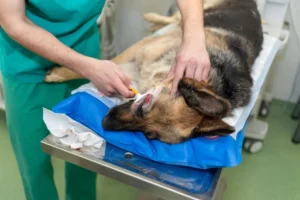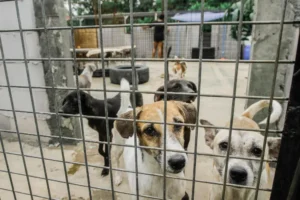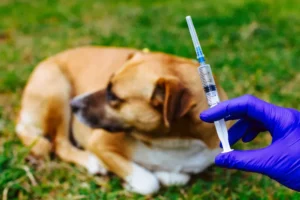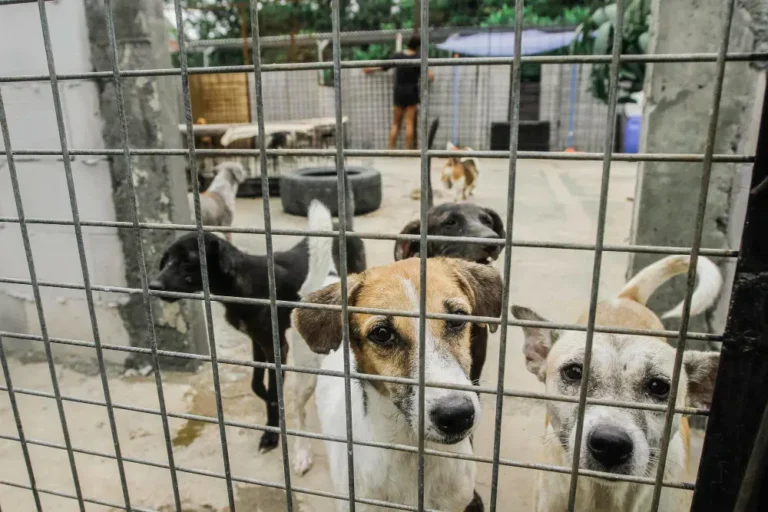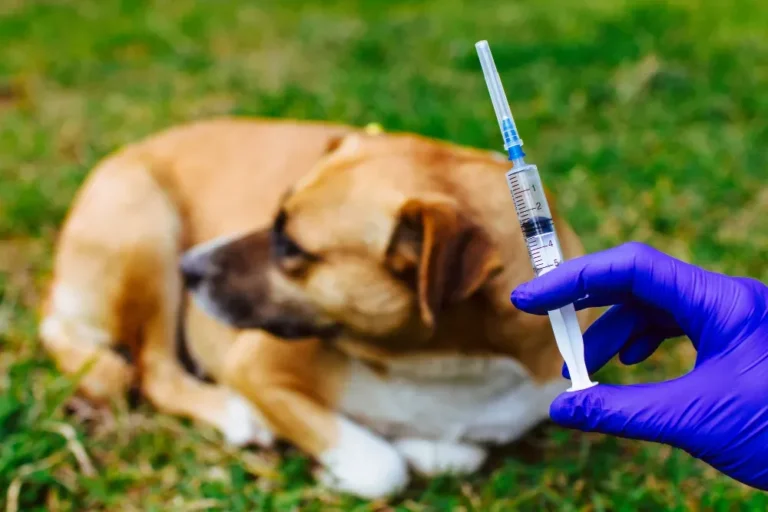
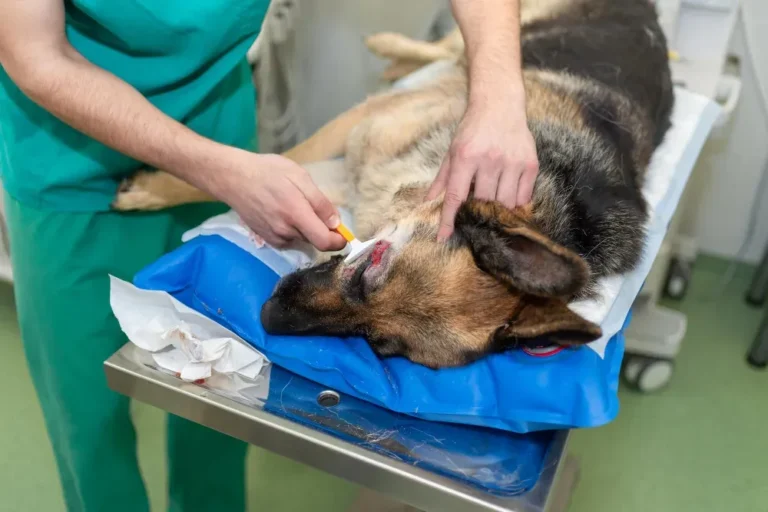
Every day, countless street dogs suffer injuries caused by road accidents, abuse, illness, or environmental hazards. While many compassionate citizens are willing to help, finding timely veterinary assistance often becomes the biggest challenge. Delayed treatment can turn minor injuries into life-threatening emergencies.
This Bark for Change campaign focused on a practical goal: encouraging the municipal corporation to establish a centralized emergency response system dedicated to injured community dogs. The campaign proposed a coordinated network involving emergency helplines, rescue teams, veterinary hospitals, and local volunteers to reduce response times and improve survival rates.
Understanding the Problem
The campaign began after several volunteers documented recurring challenges while rescuing injured dogs across different parts of the city. Although rescue organizations were doing remarkable work, emergency support often depended on availability rather than a structured response system.
Common Challenges Identified
- Residents struggled to identify the correct emergency contact during rescue situations.
- Multiple organizations received duplicate rescue requests while other cases remained unattended.
- Traffic delays increased rescue response times.
- Many citizens were unaware of nearby veterinary facilities that accepted emergency cases.
- Volunteers often coordinated rescues through personal phone calls instead of an organized platform.
The petition highlighted that these were operational challenges rather than failures of individual organizations. Better coordination could significantly improve outcomes for injured animals.
The Vision Behind the Petition
The objective was not simply to request additional funding. Instead, the petition proposed building an integrated emergency response framework that connected existing resources more efficiently.
The Petition Recommended
- A 24×7 emergency helpline dedicated to injured community dogs.
- Ward-wise rescue coordination teams.
- GPS-enabled rescue vehicle dispatch.
- Partnerships with registered veterinary hospitals.
- Standard operating procedures for emergency rescues.
- Volunteer registration and training programs.
- Real-time tracking of rescue requests.
The recommendations demonstrated that improving emergency care required coordination as much as infrastructure.
Public Response
The campaign quickly attracted attention from citizens who had personally experienced the difficulties of arranging emergency rescues. Within days, supporters began sharing their own rescue stories, explaining how valuable a coordinated response system would be.
Support Came From
- Animal rescuers.
- Veterinarians.
- College volunteers.
- Corporate CSR groups.
- Pet owners.
- Housing societies.
- Animal welfare organizations.
- Concerned citizens.
Many supporters expressed that the petition represented an issue they had encountered firsthand but had never found an organized way to address.
Campaign Highlights
Growing Community Support
The campaign maintained momentum through consistent updates, educational content, and transparent reporting.
- Thousands of verified signatures were collected.
- Over 150 volunteer rescuers registered their interest.
- Multiple NGOs publicly endorsed the campaign.
- Resident Welfare Associations shared the petition within local communities.
- Veterinary professionals contributed practical recommendations.
Awareness Activities
The petition inspired several offline initiatives that complemented the digital campaign.
- First-aid awareness workshops.
- Community rescue demonstrations.
- Responsible reporting guidelines.
- Volunteer networking sessions.
- Distribution of emergency contact information.
What Made This Campaign Different?
Unlike many campaigns that focus solely on highlighting problems, this petition concentrated on presenting implementable solutions supported by real experiences from the community.
Core Principles
- Respectful communication.
- Evidence-based recommendations.
- Collaboration with existing rescue organizations.
- Transparency throughout the campaign.
- Clear and measurable objectives.
This constructive approach encouraged meaningful discussions instead of creating unnecessary conflict.
The Petition Reaches Its Goal
After reaching the required number of verified signatures, Bark for Change automatically delivered the complete petition to the designated authorities, including the municipal corporation, veterinary department, and animal welfare officials.
The submission package contained:
- Verified digital signatures.
- Petition summary.
- Detailed recommendations.
- Supporting community feedback.
- Volunteer participation statistics.
This organized presentation allowed decision-makers to review both the public demand and the proposed solutions efficiently.
Official Engagement
Within a few weeks, officials acknowledged the petition and initiated discussions with veterinary officers, rescue organizations, and representatives from the volunteer community.
Discussion Topics Included
- Reducing emergency response times.
- Improving communication channels.
- Creating a centralized rescue database.
- Volunteer coordination.
- Technology-enabled rescue management.
These discussions marked the beginning of a collaborative planning process rather than a one-time review of the petition.
Visible Outcomes
Although systemic improvements require time, the campaign successfully encouraged several immediate actions that strengthened emergency response efforts.
Early Improvements
- Emergency contact information became easier to access.
- Volunteer coordination improved across multiple neighborhoods.
- Several veterinary clinics expanded emergency support hours.
- Rescue organizations established clearer communication channels.
- Public awareness regarding emergency reporting increased significantly.
These improvements demonstrated how organized citizen participation can accelerate positive change even before formal policy implementation.
Lessons Learned
For Citizens
- Constructive advocacy encourages cooperation.
- Specific recommendations receive stronger support.
- Verified signatures carry greater credibility.
- Transparency keeps communities engaged.
For Authorities
- Citizen feedback provides valuable operational insights.
- Volunteers are valuable implementation partners.
- Digital platforms improve communication.
- Community trust grows through regular engagement.
The Lasting Impact
Perhaps the campaign’s greatest achievement was not measured by signatures or media coverage but by the relationships it helped build. Rescue groups, veterinarians, volunteers, residents, and government officials began working together more closely toward a shared objective.
The campaign also inspired similar petitions focused on emergency veterinary infrastructure, ambulance services, and volunteer training in neighboring cities, demonstrating how one successful initiative can encourage many others.
Why This Matters
Emergency response is one of the most critical aspects of animal welfare. Every minute saved during a rescue can increase the chances of recovery, reduce suffering, and improve long-term outcomes for injured animals. By strengthening coordination instead of duplicating existing efforts, communities can build systems that benefit both animals and the people committed to helping them.
The Bark for Change Difference
Bark for Change is more than a petition platform. It provides citizens with a transparent way to transform concern into organized civic action. From collecting verified signatures and tracking campaign milestones to automatically delivering petitions and publishing official responses, the platform ensures that every campaign remains accountable, visible, and focused on meaningful outcomes.
Every successful petition demonstrates that positive change does not always begin with large institutions—it often begins with ordinary people choosing to act together. When compassion is combined with clear objectives, credible information, and community participation, even a single petition can become the starting point for lasting improvements in dog welfare.