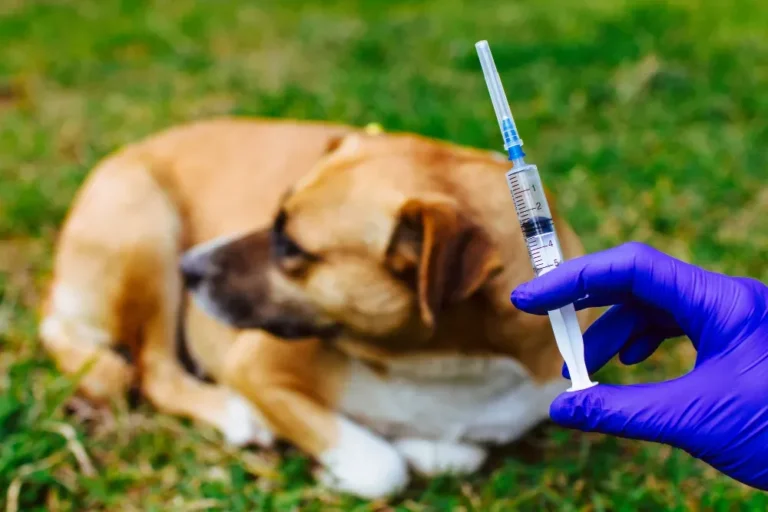
Every meaningful movement begins with people who believe change is possible. This campaign started with a simple but urgent objective—to encourage a structured, annual anti-rabies vaccination program for community dogs across Bengaluru. What followed was more than a petition. It became a collaborative effort involving citizens, veterinarians, volunteers, animal welfare organizations, and local authorities, all united by a common goal: creating safer communities for both people and dogs.
Rather than focusing on criticism, the campaign encouraged constructive dialogue and presented practical recommendations backed by public health principles and community experiences. The result was an inspiring example of how responsible civic participation can influence conversations that matter.
The Challenge
Community dogs are an important part of urban ecosystems, yet vaccination coverage often varies from one locality to another. While many volunteers dedicate countless hours to caring for these animals, large-scale vaccination efforts frequently depend on available resources, staffing, and local priorities.
This inconsistency created several challenges:
- Some neighborhoods received regular vaccination drives while others were left behind.
- Residents had limited access to reliable information about vaccinated community dogs.
- Volunteers often coordinated vaccinations independently without institutional support.
- Misinformation led to unnecessary fear and conflict between communities and animals.
- Authorities lacked structured feedback from citizens regarding vaccination coverage.
The petition aimed to bridge these gaps through collaboration rather than confrontation.
A Solution Built on Collaboration
Instead of demanding unrealistic policy changes, the campaign proposed a series of achievable recommendations that could strengthen existing vaccination efforts while encouraging greater transparency and community participation.
- Annual ward-wise vaccination campaigns.
- Public vaccination progress dashboard.
- Partnerships with registered NGOs and volunteers.
- Improved awareness campaigns for residents.
- Better reporting of vaccination coverage.
The message was simple: prevention is more effective, humane, and economical than responding to avoidable public health emergencies.
Building Public Support
The campaign quickly gained momentum because it addressed an issue that affected everyone. Support came from individuals with different backgrounds but a shared commitment to responsible animal welfare.
Within weeks, the petition reached supporters including:
- Veterinarians and veterinary students.
- Resident Welfare Associations.
- Animal welfare NGOs.
- Community feeders.
- Dog adopters and pet owners.
- Teachers and students.
- Healthcare professionals.
- Concerned citizens.
Every signature represented an individual willing to support science-based solutions that benefit both humans and animals.
Why the Campaign Resonated
Many petitions lose momentum because they rely entirely on emotion. This campaign succeeded because it combined compassion with credibility.
Supporters appreciated that the petition:
- Focused on practical and achievable objectives.
- Used respectful language throughout.
- Presented evidence-based recommendations.
- Encouraged cooperation instead of conflict.
- Recognized the efforts already being made by veterinary authorities and volunteers.
This balanced approach encouraged wider participation and constructive discussions across multiple communities.
Community Engagement Beyond Signatures
The campaign was never limited to collecting signatures. It inspired conversations that continued both online and offline.
Supporters actively:
- Shared educational resources about rabies prevention.
- Organized awareness sessions within residential communities.
- Connected local volunteers with veterinary teams.
- Answered common misconceptions about community dogs.
- Encouraged responsible interaction with street animals.
These efforts transformed the petition into an educational campaign that reached people far beyond its original audience.
Key Milestones
- Day 1: Petition published on Bark for Change.
- Week 1: First 1,000 verified signatures achieved.
- Week 2: Featured by several local animal welfare communities.
- Week 4: Crossed the required signature threshold.
- Following Week: Petition automatically delivered to the concerned authorities.
- Later: Official acknowledgement received confirming departmental review.
Automatic Petition Delivery
Once the campaign achieved its signature goal, Bark for Change automatically compiled the complete petition package and delivered it to the selected recipients.
The submission included:
- Verified supporter signatures.
- Complete petition content.
- Campaign summary.
- Supporting documents.
- Public comments from supporters.
This ensured that authorities received a well-organized representation of public opinion instead of isolated requests from individual citizens.
The Official Response
Authorities acknowledged receipt of the petition and confirmed that its recommendations had been forwarded for review by the Veterinary Department.
Although immediate policy announcements were not made, the acknowledgement itself demonstrated that organized citizen participation can successfully initiate formal engagement with public institutions.
More importantly, communication channels between volunteers and officials became stronger, opening opportunities for future collaboration.
Impact Beyond the Petition
One of the campaign’s greatest achievements was the influence it had outside its original objective.
Several organizations used the petition as a reference for their own awareness initiatives, while volunteers from neighboring districts reached out to learn how the campaign had been organized.
Educational institutions also discussed the campaign as an example of responsible digital advocacy, demonstrating how technology can support civic participation without encouraging hostility or misinformation.
What Made This Campaign Successful?
- Clear and achievable objectives.
- Evidence-based recommendations.
- Positive and respectful communication.
- Transparent campaign progress.
- Verified digital signatures.
- Automatic petition delivery.
- Continuous updates for supporters.
- Constructive engagement with authorities.
Lessons for Future Campaigns
The campaign highlighted several important principles that future petition creators can adopt.
- Define a specific problem instead of addressing broad issues.
- Offer realistic and actionable recommendations.
- Support claims with reliable information.
- Keep supporters informed through regular updates.
- Encourage respectful discussions throughout the campaign.
- Celebrate milestones to maintain momentum.
- Build partnerships instead of creating divisions.
The Role of Bark for Change
Bark for Change provided more than a platform to collect signatures. It created a transparent system where every stage of the campaign could be tracked—from publication and public support to official delivery and government responses.
Supporters could monitor campaign progress in real time, share updates with others, and remain informed throughout the entire advocacy process. This transparency strengthened trust and encouraged long-term engagement rather than one-time participation.
Looking Ahead
Improving community dog welfare requires continuous collaboration between citizens, veterinarians, local governments, and animal welfare organizations. While no single petition can solve every challenge, each successful campaign contributes to a stronger culture of public participation and responsible decision-making.
The conversations started through this campaign continue to inspire new initiatives focused on vaccination, sterilization, responsible feeding, adoption, emergency response, and humane coexistence. Every new petition builds upon the progress of those before it, creating a growing network of informed citizens working toward shared goals.
A Story of Collective Action
This campaign demonstrated that ordinary people can achieve extraordinary outcomes when they come together with a shared purpose. Every volunteer who shared the petition, every veterinarian who contributed expertise, every resident who signed, and every official who reviewed the recommendations became part of a larger movement dedicated to improving life for community dogs.
Success was measured not only by signatures collected but also by awareness created, partnerships strengthened, conversations initiated, and trust built between communities and institutions.
“Real change begins when people choose collaboration over conflict, facts over assumptions, and action over silence. Every verified signature is a step toward safer communities and better lives for dogs.”
This success story reflects the mission of Bark for Change: empowering citizens to transform compassion into meaningful action, one petition at a time.